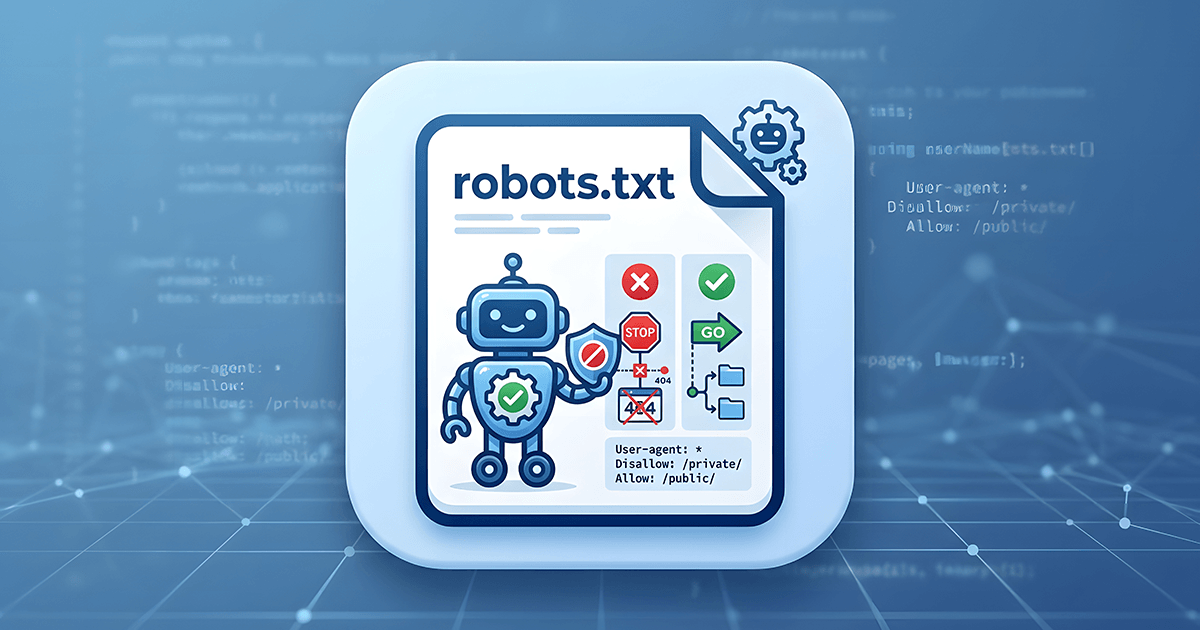
What‘s actually inside an AI agent
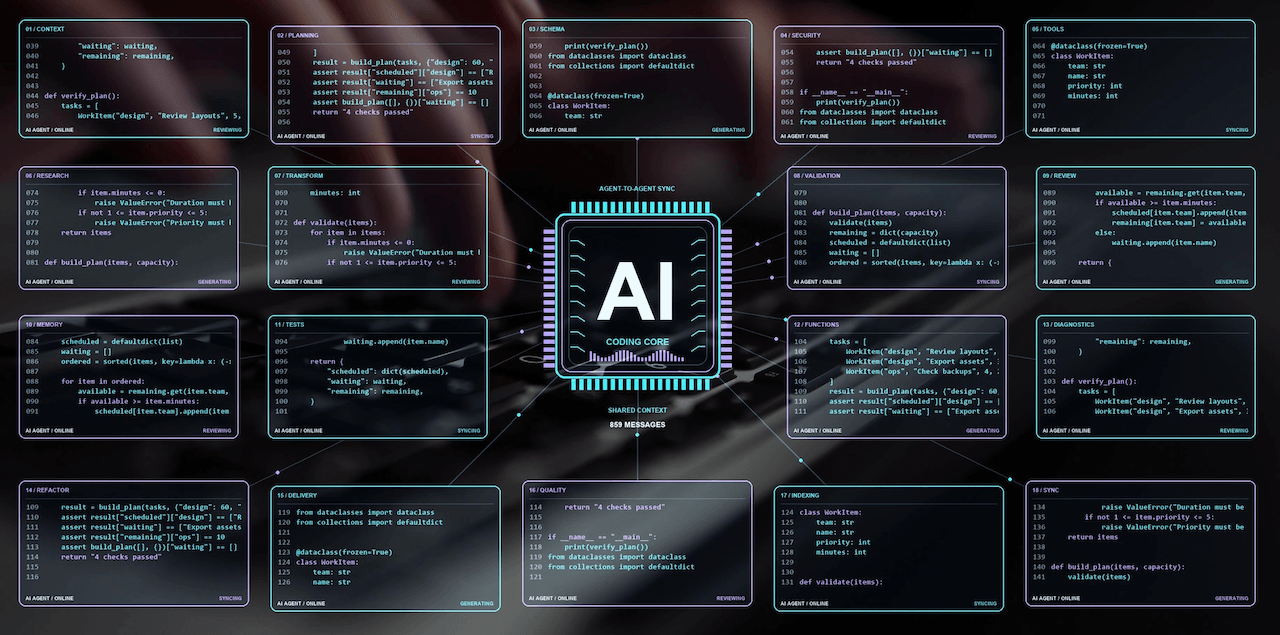
Every vendor is selling agentic commerce right now. Far fewer of them can tell you what an agent is once you crack it open. So Anatolii Iakimets from Kibo and I put one up on the table and dissected it like tenth-grade biology.
Cut an agent in half and you find two organs. One is the LLM: the model, the part we all have opinions about, whether that’s Claude or ChatGPT or Gemini or an open-weight model like Kimi K2. The other is what Anatolii calls the harness: all the code wrapped around the model that makes it actually do things.
The harness holds the webhooks and the scheduled jobs and the heartbeat that wakes the agent up every so often to check what’s still on its list. It’s the part that pulls data, runs searches, and breaks your request into steps. When you ask an agent to write something and watch it plan, go search, draft, then double back to check its own work against what you asked, that’s the harness steering the model.
Anatolii believes (correctly, I think) that the model is becoming a commodity. The gap between frontier models keeps shrinking. Switching from one to another costs you almost nothing, and the prices are converging. Sam Altman calls it intelligence on tap, which I hate, but it’s a useful metaphor in this situation so I’ll get over myself about it.
The point is that the thing that makes your agent good or bad isn’t the model. It’s the harness — the software somebody wrote around it.
Which means buying an agent is essentially a software decision. It’s the same kind of platform call commerce teams have been making for over a decade, but now it’s wearing a cool cyberpunk trench coat.
Ecommerce agents differ from coding agents in one way that matters enormously, though. In coding or copywriting you can live with a little randomness. If the function works, or the sentence lands, you don’t much care that it came out different this time. Commerce doesn’t have that slack. The price is the price. The tax has to be exact, because the CRA and the IRS will not accept “close enough,” and neither will the customer who ordered a medium and got a large.
You need the agent to be precise, and precision doesn’t necessarily come from the model. Agents don’t magically go do things. They talk to your systems through an MCP server or an API, which is the same integration and data process you’d face with any other piece of software. If you tell an agent “order status is five” it has no idea what that means. It can go read the docs to find out, but now it’s burning tokens to learn what you could’ve just told it in the first place.
The agent has to know your systems, know your data, and have clear instructions for reading it. Anyone hoping to buy a commerce platform whose built-in agent will just automatically talk to order management is in for a bad time. You’re doing the integration work either way.
Cost is the other hard wall, and it’s why Anatolii won’t stop talking (in a good way!!!) about bring-your-own-model. Enterprise pricing is sliding toward usage-based across the board and it’s heading up, not down. No vendor is going to eat a five-hundred-thousand-dollar monthly bill on your behalf. The only way to keep the wheel in your hands is to be able to swap models when one provider hikes prices or changes the terms, including swapping to cheaper open-weight ones. He points at Uber, which torched its entire 2026 AI budget in four months and had to slam on hard limits. It’s a cautionary tale with a lot of company.
He leaves commerce leaders with three things to think about.
- Composability: keep the ability to change your model, and make sure everything exposes MCP and APIs so you’re never welded to one vendor.
- Simplicity: one agent to reason about, not fifteen scattered across three platforms.
- Scalability: room to start small and grow.
The nightmare he wants you to avoid: signing a five-year, multi-agent deal, getting welded to one vendor and one model, then finding out half your people never use it and the ROI never showed. Start small first, then earn your way bigger.
Listen to Episode 8 of Data vs. Commerce
New episodes drop weekly. Subscribe wherever you listen.